I know that at least some of you reading this have aspirations to travel in and around South America, maybe making an awesome stop in Bolivia. So here is my advice (most of it tested, some of theoretical):
Things to pack:
- just go ahead and bring some strong antibiotics (cipro is pretty good) because your beautiful pristine protected stomachs will get assaulted by a mix of exotic bacteria, amoeba, parasites, and god/microbiologists only know what else. You'll get over it but antibiotics help. a LOT.
-warm clothes no matter what time of year. if you are planning on coming to Bolivia (or Peru for that matter), all my favorite stuff happens at above 10,000 feet. the days will be sunny and warm (ideally) but at that altitude, its freaking cold at night. and oh yeah, dont expect indoor heating.
-extra socks: see above
-a camera and maybe extra batteries/charger. my camera died this summer which i kind of like bc taking pictures sometimes bums me out but you will have the urge over and over again bc the scenery is pretty freaking amazing.
-books to read-- ive read 11 this summer and counting. theres not much else to entertain yourself with after the sun goes down if you dont ahve internet or a stockpile of movies. and most hostels dont have tvs in rooms anyway.
-uhh whatever else you normally pack
Places to Go and Things to See:
-If you go through Peru, you are obviously going to go to Cusco. DO THIS. Cusco is an amazing town.
-I highly recommend staying at the Hotel Suisse 2 which is right near the main plaza and pretty inexpensive.
-there are so many museums and sites to see immediately in Cusco, you almost don't need to go anywhere else. Spend a few days just exploring this city (a ticket to about 15 of the main attractions costs about $15-30 depending on if you have a student id)
-if you HAVE to go see Machu Picchu, fine. but make sure you see some of the even more amazing sites in the Sacred Valley along the way! Ollantaytambo is halfway to MP from Cusco and I think is even cooler. (sidebar: i'm prejudiced against machu picchu bc it has been really heavily reconstructed and not accurately. plus so many tourists go but its not even really that important of a site-- just some rich inka's summer home. its like if tourists came to the US, saw the Biltmore Estate, and thought that was representative of US culture, govt, religion etc. Blergh)
-From Peru, definitely come by Copacabana. A lot of tourists skip straight to La Paz or Tiwanaku, but Lake Titicaca is pretty awesome and Copa is the best place to see it from. Its super easy to get here by bus from Cusco (about 8 hrs to Puno, where you change buses, then another 3 to Copa with a nice, easy border crossing). Also, hotels are cheap here so why not? My favorite hostels in town (from how they look since I've enver stayed in one) are La Cupula, which has a nice lakeview and interesting architecture, Hotel Chasqui del Inka (lakeside), and Hotel Rosario (supposedly the most expensive in town for about $30-40/night).
-in Copa, there are 3 cool Inka sites to see, the best is Bano del Inka which is about a 30 minute walk to the small neighboring town of Kusijata (its a flat, easy walk too!). You can also catch boats to the Island of the Sun (worth staying a night there but its pricier) and Island of the Moon which both have Inka ruins. Also, you can eat lunch of one of the floating islands, which are fake on the Bolivian side of the lake but still pretty cool! Around town you can also hike up to the Calvario, which has a great view of town and sells fun souvenirs.
-in Copa, eat at: Huanchaco. Easily my favorite restaurant in town, it is peruvian themed (oh my god, the delicious ceviche) but also has "gringo" food like awesome tacos and decent pizza. Also good is the Eagle and the Condor for breakfast. It's run by an Irish guy and his Bolivian wife, they are super cool, and the coffee/food is the best in town for mornings. For drinks/late night, Nemo's is my favorite. There is one club, called Wayki's but it is a bit sketchy. Fun, but just don't go by yourself!
--From Copa, I would check out Sorata (lower elevation, jungley, cool snow capped peaks looming overhead). pretty easy to get to by local bus (or combi) but you might have to go to La Paz to catch a tourist bus if you want to be fancy ;) Getting to La Paz is super easy, buses leave Copa every 30min or so. La Paz has awesome museums on Calle Jean and near the Plaza San Francisco in the part of the city called El Prado. It's also the best hub to find your next adventure!
-- Obviously, you HAVE to go to Tiwanaku. This cool archaeological site is about 3 hrs from La Paz, so definitely worth a day trip (although maybe not an overnight stay). It was the main site for the first "state" society in Bolivia and has some pretty impressive ruins, such as a large mound site, sunken temple with stone heads sticking out of the walls, huge walls and statues.
Places to go after La Paz: Now we venture into the realm of guesswork, since I have sadly done little travelling around greater Bolivia. But here's what I would do:
Option 1: Catch a cheap ($100ish) flight to Rurrenabaque aka the Bolivian Amazon (or take a 24hr bus ride...). Here you can go to a national park, Madida, and see some cool animals etc. Lots of "ecotours" benefitting local groups and stuff so thats cool.
Option 2: Take a bus to Cochabamba, hang out there for a few days (lowland city which is supposed to be cool) then catch a bus, ride 4x4s, or charter a small plane for 5 people to Torotoro. Really crazy geologic area with.. DINO FOOTPRINTS! tons of fossils and stuff to check out.
Option 3: take a looong bus ride (14 hrs) to Uyuni. From here, you can get a tour to Salar de Uyuni, the high altitude salt flats of Bolivia. Dress warmly!!
Okay I think thats all for now. Basically, you guys need to check out Bolivia. Especially because it might close its doors to those from the United States any time now!!
Monday, July 15, 2013

Thursday, July 4, 2013
Ain't That America
Happy 4th of July!
I haven’t celebrated Independence Day in the United States
for a while now (at least 4 years) so this day doesn’t really stand out as much
anymore. But given recent international events, it’s definitely a weird time to
be from the United States and abroad!
Bolivia and the United States have a tenuous relationship at
best. Evo Morales, the president of Bolivia, is not particularly a fan of Obama
or the US generally, and with some good reasons. First, the US is not especially
kind to Bolivians immigrating or visiting the country—the reason we have such a
high visa fee to enter Bolivia! Additionally, Evo is somewhat concerned about assassination
attempts from CIA/US agencies or just US spying in general. This is not
entirely unfounded- in the past few years, several groups of people posing as
researchers and government diplomats have been discovered as spies, although
details regarding their spy status vary depending on who you ask!
In addition to long-term diplomatic tensions, stakes have
recently been raised by the Snowden/NSA case and yesterday’s “emergency search”
of Evo’s plane (aka Bolivian Air Force One) on his way back from a diplomatic
trip to Russia. Forced to land in Austria for 12 hours while his plane was
searched and then declined passage through French, Spanish, and Portuguese air
space, Evo was not pleased, to say the least. And no matter what one’s beliefs
about the rights and justification for this search, this was not the way to
repair US-Bolivian relations! It will be interesting to see what happens over the
next few months, years etc. Needless to say, while I might go enjoy some good
ol’ Murrican pizza and beer later, I probably won’t be flaunting my citizenship
status… (Not that it’s really dangerous or anything to be here, just to avoid
any fights or whatever)
In totally different news, I’m always struck by the canine genetic
diversity here in Copacabana. Most dogs are more or less street dogs—people will
often have one particular dog that they feed and maybe let stay in their yard
at night, but mostly dogs run free in the streets, scavenging food and generally
having a good time. Definitely no leash laws here! What’s amazing is that there
are literally all types of dogs- ones that look like purebred German Shepherds,
tiny Shih-tzus, Sharpeis, Golden Retrievers, and plenty of mutts. I’ve always
thought the variety is pretty cool and so this year I’ve been chronicling it on
this site: dogsofcopa.tumblr.com. Just pictures of various dogs I’ve seen
around town, but kinda cool! Plus most of them are really cute J
Here’s one of my faves, chowing down on some bread I gave him (oh yeah, dogs here eat ANYTHING):
.jpg)
Hopefully you all get to eat some hamburgers and hot dogs,
drink some cold ones, and watch some fireworks tonight!
Monday, June 24, 2013
30 White Horses Upon a Red Hill
Time for a little lab work update. This summer, I am primarily focusing on teeth and slight variations in dental formations that can indicate genetic relationships between people. Not the most riveting work but it will (hopefully) be really helpful in figuring out who these people buried at temples were and how they knew each other!
So teeth are pretty cool and can actually tell us a lot about people. Your dentist probably knows (or at least could know) more intimate details about you than you'd think! Here are some "fun" facts about teeth...
Humans have a dental formula (the order of the types of our teeth) that is unique to Old World (Africa/Europe/Asia) primates. Ours is 2:1:2:3, which means for each quadrant of our mouth (splitting our upper and lower jaws down the middle) we have 2 incisors, 1 canine, 2 premolars (or bicisupids), and 3 molars. Having these 4 different types of teeth is pretty cool- we can tear into stuff with our incisors and canines and really grind up tough foods with those molars. Other animals have really specialized dentition (think beavers, hippos, or most carnivores) that can also tell archaeologists, zoologists, and other interested people what types of food they eat.
Notably, that 3rd molar is giving a lot of people trouble these days (why we get our "wisdom" teeth removed!) because our diets have become more refined and our mouths are getting smaller, leaving less room to cram in all those molars!
Tooth problems can also tell you a lot (and cause you a lot of trouble if you have them!). Cavities are most often related to what types of food you are eating-- we all have been lectured about eating less sugar to prevent cavities! But there are a number of other factors too that contribute to the creation of cavities, such as the "stickiness" of your food (carbs are all pretty sticky), the acidity of your mouth (which naturally varies from person to person), whether you are pregnant (which changes the amount of saliva you have- who knew??), and thickness of dental enamel. So cavities are not the MOST reliable indicator of food but can give you some ideas. Here in the Andes, cavities in the past seem to be most closely related to eating maize (corn) or chewing coca. Location of the cavity on the tooth can help you figure out which!
Another cool thing about teeth is that the exact form of your tooth is pretty variable from person to person (what I'm looking into this summer). Your lower molars can have anywhere from 4-7 cusps, for example! I've spent a lot of time looking at past teeth of course, but have also been investigating my own in the mirror, because I'm a big nerd, duh. I learned that I have 6 cusps on my first 2 bottom molars (left and right) and only 4 on my left 3rd molar. The right one still hasn't erupted, which probably means it'll stay hidden forever, unless I get it removed!
Anyway. Really interesting stuff, right?? Now go brush your teeth and don't get cavities!
So teeth are pretty cool and can actually tell us a lot about people. Your dentist probably knows (or at least could know) more intimate details about you than you'd think! Here are some "fun" facts about teeth...
Humans have a dental formula (the order of the types of our teeth) that is unique to Old World (Africa/Europe/Asia) primates. Ours is 2:1:2:3, which means for each quadrant of our mouth (splitting our upper and lower jaws down the middle) we have 2 incisors, 1 canine, 2 premolars (or bicisupids), and 3 molars. Having these 4 different types of teeth is pretty cool- we can tear into stuff with our incisors and canines and really grind up tough foods with those molars. Other animals have really specialized dentition (think beavers, hippos, or most carnivores) that can also tell archaeologists, zoologists, and other interested people what types of food they eat.
Notably, that 3rd molar is giving a lot of people trouble these days (why we get our "wisdom" teeth removed!) because our diets have become more refined and our mouths are getting smaller, leaving less room to cram in all those molars!
Tooth problems can also tell you a lot (and cause you a lot of trouble if you have them!). Cavities are most often related to what types of food you are eating-- we all have been lectured about eating less sugar to prevent cavities! But there are a number of other factors too that contribute to the creation of cavities, such as the "stickiness" of your food (carbs are all pretty sticky), the acidity of your mouth (which naturally varies from person to person), whether you are pregnant (which changes the amount of saliva you have- who knew??), and thickness of dental enamel. So cavities are not the MOST reliable indicator of food but can give you some ideas. Here in the Andes, cavities in the past seem to be most closely related to eating maize (corn) or chewing coca. Location of the cavity on the tooth can help you figure out which!
Another cool thing about teeth is that the exact form of your tooth is pretty variable from person to person (what I'm looking into this summer). Your lower molars can have anywhere from 4-7 cusps, for example! I've spent a lot of time looking at past teeth of course, but have also been investigating my own in the mirror, because I'm a big nerd, duh. I learned that I have 6 cusps on my first 2 bottom molars (left and right) and only 4 on my left 3rd molar. The right one still hasn't erupted, which probably means it'll stay hidden forever, unless I get it removed!
Anyway. Really interesting stuff, right?? Now go brush your teeth and don't get cavities!
Saturday, June 15, 2013
Island Life
This week I spent two days on the two biggest islands in Lake Titicaca: Isla del Sol and Isla de la Luna (Island of the Sun and Island of the Moon). Both have been inhabited probably for as long as the lake basin has (at least 8000 years) but have some really neat Inka architecture on both which makes for great tourist attractions! I have visited Isla del Sol before but have recently learned some cool trivia about both islands, worth sharing!
 These are the Inka ruins on the Island of the Sun. The Sapa Inka (Inka king) would make annual pilgrimages to this island from Cusco. There are a few stories explaining why- one Spanish chronicler wrote that this island was the mythical Inka origin point, although few corroborate this. More likely, the Inka nobility visited this area regularly to reinforce their authority in this area (especially since the lake basin was home to some powerful polities prior to Inka conquest!). Interestingly, this island is actually called "Titikaka" in Inka legend, and this is probably where the whole lake got its name. What is modernly called Lake Titicaca is actually two large lakes, joined by a narrow strait at Tiquina. Both the upper and lower lakes have names in Aymara/Quechua (Chucuito and Winaymarka) but are collectively called Lake Titicaca today. The Island of the Sun was renamed thus by the Spanish and it persists today. Also, to complicate matters one step further, the island was called Titikaka because of a huge boulder that vaguely looks like the head of a native wild cat, the titi. Kaka means house or home. The island was thus named "the home of the titi" because of this sacred rock.


These are the ruins on the Isla de la Luna, nicely framed by a llama (and her baby which you can see if you count the legs!). This is a smaller site overall but slightly better preserved. This was a temple run by women devoted to the empire and sun god, Inti, called Ocllakuna. They did a lot of weaving for the state and ran temples such as this one. The island as a whole has an interesting mythology behind it too (as translated from Spanish on a signpost on the island by me, so with some editorial opinion!). Called Coati originally, this island is somewhat long, skinny, and curved (thus why the Spanish called in the island of the moon). However, Inka legend actually says that this island represents a great serpent, who swam through the lake to menace Isla del Sol and eat everyone living there. Luckily, a brave Inka saw the serpent coming, hoisted up a huge boulder, and crushed the serpents head with it! This sank the snake to the depths of the lake, where it turned to stone overtime and created the island, Coati. They say that late at night you can still here the snake wriggling to try to get out under the rocks...
Monday, June 10, 2013
Characters Welcome
It's been a busy week in Copacabana- mostly in the lab and settling into that routine, but also re-discovering all of the secrets and mysteries of the town! One of the great things about travelling is the opportunity to meet diverse and interesting people. And if characters are what you are looking for, Copacabana is the place for you!
This town is a somewhat odd and constantly fluctuating mix of people- local Aymara, ex-pat Argentinians who run a lot of the tourist restaurants, Bolivian tourists from La Paz in town for weekends, European tourists passing through (and a few Americans but less so because of the visa), and a sprinkling of other long term residents. After coming here for a few years, there is a fair amount of continuity in who you see. Here are some highlights (some details obscured since ya know, everyone has the internet these days!):
--The charming and helpful local internet cafe employee. I think this guy has helped me reconnect with the world every summer I've been here and has always cheerfully taken my money to do so. He has also recently helped me (try to) make some international phone calls. When I told him that the phone wasn't working, he tried a few things, then shrugged and said "No se, parece que los Estados Unidos tienen una problema" (I don't know, looks like the United States has a problem). True on so many levels!
--The grouchy Scotsman (?) who runs a local bar. I swear, I've only ever been super polite, left tips (which is also rare here), and approached him in both English and Spanish (not to presume anything) and this guy is just chronically and reliably grouchy. Kind of nice to know some things never change!
--The ex-pat American who is living here illegally (this character tends to change every year, but there's always one). Always eager to here updates from "back home"and then expand on why living here/in South America generally has been the most existential, uplifting, "honest" experience of their lives. Also generally mistrusts any government and forms of capitalism, unless of course you want to buy some of their handmade jewelry?
--The Aymara storeowner who really does want you to buy soemthing but also just wants to get back to watching her telenovella/child/soccer match. She'll heave a big sigh when you ask questions about how much things cost or if she has a t shirt in a different size/color, but don't try to walk out without purchasing anything! Once you've made her work for it, you better pay up. And then you will be rewarded with a big smile and a hearty "Gracias a USTEDES!"
--Any number of people yelling to advertise their taxi/minibus/bus to La Paz/Kasani/Tiquina/Cusco. Don't try to walk past certain corners without expecting to turn down rides to any number of places that you may or may not want to go. Generally destinations are shouted to a nice cadence though, so that's something.
And so many more! I guess someone could easily write a profile of the snobby archaeology student who walks around looking down on tourists or thinks she shouldn't pay a "gringa tax" (elevated prices for those who are white/not Bolivian) just because she has been here before!
This town is a somewhat odd and constantly fluctuating mix of people- local Aymara, ex-pat Argentinians who run a lot of the tourist restaurants, Bolivian tourists from La Paz in town for weekends, European tourists passing through (and a few Americans but less so because of the visa), and a sprinkling of other long term residents. After coming here for a few years, there is a fair amount of continuity in who you see. Here are some highlights (some details obscured since ya know, everyone has the internet these days!):
--The charming and helpful local internet cafe employee. I think this guy has helped me reconnect with the world every summer I've been here and has always cheerfully taken my money to do so. He has also recently helped me (try to) make some international phone calls. When I told him that the phone wasn't working, he tried a few things, then shrugged and said "No se, parece que los Estados Unidos tienen una problema" (I don't know, looks like the United States has a problem). True on so many levels!
--The grouchy Scotsman (?) who runs a local bar. I swear, I've only ever been super polite, left tips (which is also rare here), and approached him in both English and Spanish (not to presume anything) and this guy is just chronically and reliably grouchy. Kind of nice to know some things never change!
--The ex-pat American who is living here illegally (this character tends to change every year, but there's always one). Always eager to here updates from "back home"and then expand on why living here/in South America generally has been the most existential, uplifting, "honest" experience of their lives. Also generally mistrusts any government and forms of capitalism, unless of course you want to buy some of their handmade jewelry?
--The Aymara storeowner who really does want you to buy soemthing but also just wants to get back to watching her telenovella/child/soccer match. She'll heave a big sigh when you ask questions about how much things cost or if she has a t shirt in a different size/color, but don't try to walk out without purchasing anything! Once you've made her work for it, you better pay up. And then you will be rewarded with a big smile and a hearty "Gracias a USTEDES!"
--Any number of people yelling to advertise their taxi/minibus/bus to La Paz/Kasani/Tiquina/Cusco. Don't try to walk past certain corners without expecting to turn down rides to any number of places that you may or may not want to go. Generally destinations are shouted to a nice cadence though, so that's something.
And so many more! I guess someone could easily write a profile of the snobby archaeology student who walks around looking down on tourists or thinks she shouldn't pay a "gringa tax" (elevated prices for those who are white/not Bolivian) just because she has been here before!
Monday, June 3, 2013
Home again, home again
Hello again! I have finally arrived to Copacabana, the town where my research takes place. My few days in La Paz were restful and museum-full and now I'm (kind of) ready to get to work! (Obviously some motivation is lacking since I'm writing this rather than working!)
If any of you, dear readers, are ever in La Paz, be sure to check out Calle Jean (pictured below)! It's an older road, lined with colorful buildings, most of which contain museums, art galleries, and restaurants. The museums are all basically connected so one 10boliviano ticket (about $1.50) gets you into 5 museums! They are certainly smaller than the usual museum in the US, but have some interesting stuff. For instance, you can learn all about the war for Bolivia's coastline (did you know Bolivia used to have Pacific coastline? Reasons for why is was lost vary widely depending on who you ask and what country they are from!) or visit a museum devoted to Bolivia's national musical instruments. Pretty cool!


If any of you, dear readers, are ever in La Paz, be sure to check out Calle Jean (pictured below)! It's an older road, lined with colorful buildings, most of which contain museums, art galleries, and restaurants. The museums are all basically connected so one 10boliviano ticket (about $1.50) gets you into 5 museums! They are certainly smaller than the usual museum in the US, but have some interesting stuff. For instance, you can learn all about the war for Bolivia's coastline (did you know Bolivia used to have Pacific coastline? Reasons for why is was lost vary widely depending on who you ask and what country they are from!) or visit a museum devoted to Bolivia's national musical instruments. Pretty cool!

Copacabana is always changing-- one thing about the economy in Bolivia is that there is always money for construction! In Copa, because it is on the "tourist track" between Cusco, Peru, and La Paz, new hostels spring up every year. The newer ones are getting creative with their architecture- this one under construction looks like a snail shell, while the buildings in the background are a perfect circle and an igloo! All of these little houses are part of the small hostel, just up the hill from our house.

The family I live with here are pretty amazing. Pablo and Juana have 4 kids: Rodrigo (14), Ariel (11), Estefany (9) and Raymi (7). They are all pretty funny and smart (Rodrigo just made it into the regional science olympiad for Astrophysics!!) and are good fun to play games with in the evening when it gets cold! Here's a picture of Estefany, Raymi, and their cousin, Christian. Some crazy American thought it was a good idea to give them nerf guns! :)

Alright, well I should probably commit to doing some lab work for the day! Happy Monday!
Thursday, May 30, 2013
A Long Expected Arrival
Well, time to update the old blog again! I'm back in Bolivia for one more season of fieldwork, possibly my last for my dissertation research. Here's a quick overview of the plan!
I'm currently in La Paz, one of the capital cities of Bolivia. The airport in La Paz is at about 4000m above sea level (or 14000ish ft) while the city center (where I'm staying for a few days) is a bit lower at 3500masl (or 12000ish ft). The center of La Paz is a good place to hang out for a few days before I head to Copacabana since it is about 300-500m lower than the house in Copacabana and gives your body some time to adjust. I've never had real problems with the altitude, just a mild headache or out of breathness when going up stairs, but some people suffer pretty badly from headaches, nausea, and dizziness. It doesn't help that you typically fly here straight from Miami FL (which is right at sea level) so it's a big jump!
The weather is gorgeous out right now, although definitely chillier and drier than North Carolina! It is sunny but probably only 60 degrees and 0% humidity. Copacabana will be similar, although it can get quite warm in the sun during the day and then below freezing at night! Very strange, but something about the combination of the altitude and desert-like environment causes big temperature swings.
I'll head to Copacabana on Sunday or Monday, after Sergio (the professor from Central Michigan University that I work with) and Stasia (his wife and project co-director) arrive early Sunday morning. Then the work begins! This summer, the plan is to finish collecting data on disease lesions and dietary indicators on about 10-20 people and then start the next stage- measuring variation in genetic dental traits (ie how many cusps are on a molar or how many roots your teeth have) to see how people were genetically related! The hope is to be able to recreate some idea of genetic relationships, which typically relates (at least partially) to kinship and community. I will measure this for all 300 individuals (ie skeletons) and then will be done with data collection for the dissertation! At least in the field. Then they tell me I have to do some analysis and write this dang thing called a dissertation. But that won't be too hard, right? RIGHT??? :)
Alright, that's all for now! The updates will be coming and hopefully will be accompanied by more photos in the future! (The internet is a bit slow for that currently...)
I'm currently in La Paz, one of the capital cities of Bolivia. The airport in La Paz is at about 4000m above sea level (or 14000ish ft) while the city center (where I'm staying for a few days) is a bit lower at 3500masl (or 12000ish ft). The center of La Paz is a good place to hang out for a few days before I head to Copacabana since it is about 300-500m lower than the house in Copacabana and gives your body some time to adjust. I've never had real problems with the altitude, just a mild headache or out of breathness when going up stairs, but some people suffer pretty badly from headaches, nausea, and dizziness. It doesn't help that you typically fly here straight from Miami FL (which is right at sea level) so it's a big jump!
The weather is gorgeous out right now, although definitely chillier and drier than North Carolina! It is sunny but probably only 60 degrees and 0% humidity. Copacabana will be similar, although it can get quite warm in the sun during the day and then below freezing at night! Very strange, but something about the combination of the altitude and desert-like environment causes big temperature swings.
I'll head to Copacabana on Sunday or Monday, after Sergio (the professor from Central Michigan University that I work with) and Stasia (his wife and project co-director) arrive early Sunday morning. Then the work begins! This summer, the plan is to finish collecting data on disease lesions and dietary indicators on about 10-20 people and then start the next stage- measuring variation in genetic dental traits (ie how many cusps are on a molar or how many roots your teeth have) to see how people were genetically related! The hope is to be able to recreate some idea of genetic relationships, which typically relates (at least partially) to kinship and community. I will measure this for all 300 individuals (ie skeletons) and then will be done with data collection for the dissertation! At least in the field. Then they tell me I have to do some analysis and write this dang thing called a dissertation. But that won't be too hard, right? RIGHT??? :)
Alright, that's all for now! The updates will be coming and hopefully will be accompanied by more photos in the future! (The internet is a bit slow for that currently...)
Tuesday, July 17, 2012
Hello, Mr. President!
Hello dear readers! I've been back in Copacabana for a little over a week now and its been great to settle back in to "normal", everyday, Bolivian life, as well as have a few adventures!

 The coolest thing that has happened since I last wrote (besides of course my scintillating work in the lab was the chance to hear and see Evo Morales, the president of Bolivia, speak! They are in the process of building a small airport here near Copacabana to increase internal tourism (they are big on promoting tourism between the major centers in Bolivia here since they are not too crazy about Europeans or Americans) and Evo came to initiate the land and give a short speech about continued improvements in the area. It was really neat because there weren't that many people there (probably about 1000) and we were able to get pretty close to the stage! After the ceremonies, (which involved lots of flower necklaces for Evo, the VP Garcia, Cocorico the Governor of La Paz, and other officials as well as an interlude of dancing and traditional music) we were actually able to meet the VP, who was left somewhat to the wolves (the masses aka us) while Evo was hustled off back to his helicopter. Which he flies himself by the way. How are you gonna upstage that, Obama??
We went to La Paz this Sunday to watch the Entrada 16 de Julio. This is a huge dance/parade/event that I participated in last year, in the group Chacaltaya which is one of 54. Chacaltaya is the biggest, with over 2000 dancers, and I had fun watching what I been a part of last year. Monday is the second day of the event, parading/dancing followed by lots of drinking, and the students and I were invited to join. It was way less stressful than last year and a lot of fun to be recognized and remembered by other women who danced last year too-- although they were all asking why I hadn't danced this year! Maybe next year I can afford it again...
We have another big festival coming up this weekend-- Kollasuyu, the small town on the peninsula that we dance for and at which we always have an enjoyable, if cold, time. Besides that, a daytrip to Tiwanaku, and the Fair of Copacabana in the first week of August, I just have a lot of lab work left to do! Its good there's not too much left going on since I only have 3 more weeks!

 The coolest thing that has happened since I last wrote (besides of course my scintillating work in the lab was the chance to hear and see Evo Morales, the president of Bolivia, speak! They are in the process of building a small airport here near Copacabana to increase internal tourism (they are big on promoting tourism between the major centers in Bolivia here since they are not too crazy about Europeans or Americans) and Evo came to initiate the land and give a short speech about continued improvements in the area. It was really neat because there weren't that many people there (probably about 1000) and we were able to get pretty close to the stage! After the ceremonies, (which involved lots of flower necklaces for Evo, the VP Garcia, Cocorico the Governor of La Paz, and other officials as well as an interlude of dancing and traditional music) we were actually able to meet the VP, who was left somewhat to the wolves (the masses aka us) while Evo was hustled off back to his helicopter. Which he flies himself by the way. How are you gonna upstage that, Obama??
We went to La Paz this Sunday to watch the Entrada 16 de Julio. This is a huge dance/parade/event that I participated in last year, in the group Chacaltaya which is one of 54. Chacaltaya is the biggest, with over 2000 dancers, and I had fun watching what I been a part of last year. Monday is the second day of the event, parading/dancing followed by lots of drinking, and the students and I were invited to join. It was way less stressful than last year and a lot of fun to be recognized and remembered by other women who danced last year too-- although they were all asking why I hadn't danced this year! Maybe next year I can afford it again...
We have another big festival coming up this weekend-- Kollasuyu, the small town on the peninsula that we dance for and at which we always have an enjoyable, if cold, time. Besides that, a daytrip to Tiwanaku, and the Fair of Copacabana in the first week of August, I just have a lot of lab work left to do! Its good there's not too much left going on since I only have 3 more weeks!
Thursday, July 5, 2012
Archaeology abounds!
Well, two exciting weeks in Cusco have passed and its time to head back to Copacabana for the remainder of the summer! How did I spend these two weeks since I last posted? So glad you asked...
I've walked about a million miles in search of archaeological sites (both in pursuit of tourism and academic purposes), supervised the digging of a few test pits at an Inka site, listened to 7 hours of papers in Spanish about Andean bioarchaeology and forensics, successfully navigated to and from some small towns via the 'collectivo' travel system, taken a few naps, fought (and lost) with some cacti, watched Italy bomb the EuroCup championship, drank my fair share of pisco sours, played tour guide for some Inka sites around town, and efficiently neglected the internet!
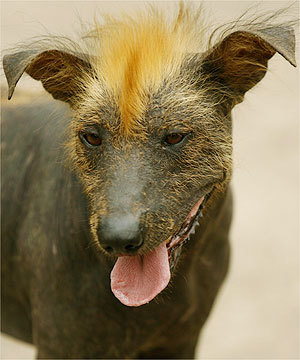
Last week (the 25th-31st), I was lucky enough to crash with another archaeologist here in Cusco at night. During the days, I had a variety of exciting adventures! Monday, I spent hiking around the Lucre basin with an archaeologist friend in search of potential dissertation sites for him. It was really fun, although exhausting and I had a few harsh encounters with some vicious cacti. But ultimately, it was really neat to just explore the countryside a little bit. I even learned to identify some ceramics! I went to a bioarch conference on Tuesday that was happening here in town-- and understood just about everything that they talked about! It was a good vocabulary lesson as well as really interesting reports on mummies, violence, health, and mortuary practices from around the Cusco region. Wednesday, I was supposed to head to Ollantaytambo and analyze some skeletons excavated by Sergio's nephew, Jorge, but my trip was delayed by his being out of town! Kylie was supernice and let me stay with her another few nights, and I played around town a little bit, taking in some Eurocup games and enjoying the nice weather. Thursday, I went to help Kylie excavate at her site, which was nice to get some more excavation experience! A long day but we found some cool stuff and got to play in the dirt, so I was happy! Finally, on Friday, I made it out to Ollantaytambo (where there are some really cool archaeological sites too--more on that to come!) and quickly looked over the bones (only one person, but buried with cool antlers!). Jorge also had me look at some dog bones, for any evidence that could be disease. Definitely not an expert in that but I think I did okay! It was cool to be at his house/lab because he has EIGHT dogs, six of which are of the Andean hairless variety. They are really ridiculous looking creatures. (evidence http://paxarcana.files.wordpress.com/2008/11/peruvian_hairless_dog.jpg)
Saturday I finally moved out of Kylie's house, and into a hostal where Brian joined me for some vacation and tourist fun! We spent the last 5 days doing all the tourist classics around Cusco-- the big sites above the city from the Inka occupation, museums in the city of art- both Spanish influenced and prehispanic- and artifacts, taking day trips to some of the surrounding areas-- and enjoying the tourist food selection (deLICIOUS falafel!)!
I'm heading back to Copacabana tonight on an overnight bus. The main benefit of this is not missing any daytime to travel, ease of sleep to speed up the trip, and not having to change buses in Puno! Should be back in Bolivia by 9am tomorrow morning, back to the daily grind of dissertation data collection. Yay!!
Only one more month here this summer. How is 2012 more than half over already??
I've walked about a million miles in search of archaeological sites (both in pursuit of tourism and academic purposes), supervised the digging of a few test pits at an Inka site, listened to 7 hours of papers in Spanish about Andean bioarchaeology and forensics, successfully navigated to and from some small towns via the 'collectivo' travel system, taken a few naps, fought (and lost) with some cacti, watched Italy bomb the EuroCup championship, drank my fair share of pisco sours, played tour guide for some Inka sites around town, and efficiently neglected the internet!
Last week (the 25th-31st), I was lucky enough to crash with another archaeologist here in Cusco at night. During the days, I had a variety of exciting adventures! Monday, I spent hiking around the Lucre basin with an archaeologist friend in search of potential dissertation sites for him. It was really fun, although exhausting and I had a few harsh encounters with some vicious cacti. But ultimately, it was really neat to just explore the countryside a little bit. I even learned to identify some ceramics! I went to a bioarch conference on Tuesday that was happening here in town-- and understood just about everything that they talked about! It was a good vocabulary lesson as well as really interesting reports on mummies, violence, health, and mortuary practices from around the Cusco region. Wednesday, I was supposed to head to Ollantaytambo and analyze some skeletons excavated by Sergio's nephew, Jorge, but my trip was delayed by his being out of town! Kylie was supernice and let me stay with her another few nights, and I played around town a little bit, taking in some Eurocup games and enjoying the nice weather. Thursday, I went to help Kylie excavate at her site, which was nice to get some more excavation experience! A long day but we found some cool stuff and got to play in the dirt, so I was happy! Finally, on Friday, I made it out to Ollantaytambo (where there are some really cool archaeological sites too--more on that to come!) and quickly looked over the bones (only one person, but buried with cool antlers!). Jorge also had me look at some dog bones, for any evidence that could be disease. Definitely not an expert in that but I think I did okay! It was cool to be at his house/lab because he has EIGHT dogs, six of which are of the Andean hairless variety. They are really ridiculous looking creatures. (evidence http://paxarcana.files.wordpress.com/2008/11/peruvian_hairless_dog.jpg)
Saturday I finally moved out of Kylie's house, and into a hostal where Brian joined me for some vacation and tourist fun! We spent the last 5 days doing all the tourist classics around Cusco-- the big sites above the city from the Inka occupation, museums in the city of art- both Spanish influenced and prehispanic- and artifacts, taking day trips to some of the surrounding areas-- and enjoying the tourist food selection (deLICIOUS falafel!)!
I'm heading back to Copacabana tonight on an overnight bus. The main benefit of this is not missing any daytime to travel, ease of sleep to speed up the trip, and not having to change buses in Puno! Should be back in Bolivia by 9am tomorrow morning, back to the daily grind of dissertation data collection. Yay!!
Only one more month here this summer. How is 2012 more than half over already??
Sunday, June 24, 2012
Oh Look, the Herd is On the Move Again, Sire
Okay! So here I am, in Cusco, Peru, capital of the Inka empire and biggest tourist draw in Peru. I arrived last Sunday and spent the week until Huaro, the small town about 45 minutes away from the city. Conditions were pretty rustic out there-- we rented one room in a house for sleeping, eating, and lab work, with a separate bathroom downstairs-- but it was a good week of work and kind of refreshing to be away from it all! I was working on the skeletons excavated from a Wari (pre-inka empire/state cultural group) site in the valley and it was pretty interesting. Nice to have some comparison to my skeletal samples in Bolivia!
The neighboring town of Urcos (5minutes drive, 20-30minutes walk) is slightly bigger and the capital of the province and it had a big party one night celebrating its founding. We went and drank some beer in the town square with one of Maeve's Huaro friends and it was fun to see everyone dressed up, drinking, and dancing. There were two bands, the first of which was a classic South American pop group-- a full band and then 1 girl and 4 guys whose entire job seemed to be looking good and doing coordinated dance moves. For some reason, this really really amuses me and I mostly just stared at the band and laughed whenever they did a group spin, or, my favorite, a bunny hop/humping type maneuver.
We returned to Cusco yesterday, checked email, and then went out to another archaeological site on the other side of town, where two of Maeve's archaeologist friends are excavating. A really cool location-- great view of the valley and towering snowcapped peaks in the distance-- and the site was cool too- Wari, Late Intermediate and Inka occupations. There was also a cave up above that used to have burials in it (and probably still does under the collected rubble) that I climbed into. No one wants to excavated it currently because they are afraid of earthquakes and collapse but I think it would be great! (I'm also crazy though so that helps!)
Today is Inti Raymi, so the entire city of Cusco will be partying until... forever, haha. I'm going to witness the madness with a few archaeologist friends and then I think we are going watch some EuroCup games!
The neighboring town of Urcos (5minutes drive, 20-30minutes walk) is slightly bigger and the capital of the province and it had a big party one night celebrating its founding. We went and drank some beer in the town square with one of Maeve's Huaro friends and it was fun to see everyone dressed up, drinking, and dancing. There were two bands, the first of which was a classic South American pop group-- a full band and then 1 girl and 4 guys whose entire job seemed to be looking good and doing coordinated dance moves. For some reason, this really really amuses me and I mostly just stared at the band and laughed whenever they did a group spin, or, my favorite, a bunny hop/humping type maneuver.
We returned to Cusco yesterday, checked email, and then went out to another archaeological site on the other side of town, where two of Maeve's archaeologist friends are excavating. A really cool location-- great view of the valley and towering snowcapped peaks in the distance-- and the site was cool too- Wari, Late Intermediate and Inka occupations. There was also a cave up above that used to have burials in it (and probably still does under the collected rubble) that I climbed into. No one wants to excavated it currently because they are afraid of earthquakes and collapse but I think it would be great! (I'm also crazy though so that helps!)
Today is Inti Raymi, so the entire city of Cusco will be partying until... forever, haha. I'm going to witness the madness with a few archaeologist friends and then I think we are going watch some EuroCup games!
Wednesday, June 13, 2012
Raindrops keep falling on my head
But that doesn't mean my eyes will soon be turning! Its been rainy here in the lake basin which is totally strange since it is the dry season. It generally is cloudy/rainy until around noon, then clears up for the rest of the day. Stasia says that this is the weather pattern during the rainy season, but that was supposed to end in March. Climate change, anyone?
I've been busy in the lab this week, trying to confirm data on one of the collections that we are going to return to the community where it was excavated from. Part of that deal will include permissions to revisit the collection in the future, if we need to collect more data or newer technology comes about, so its not the last time I could look at these bones. But it does feel kind of final and awesome to think that this is it, this is the dissertation data!
Copacabana remains more or less unchanged, although this year I have located the post office (previously unopen) and 2 ATMs! Additionally, I'm able to steal the wifi from a neighboring hostel on my computer so I can check my email very regularly, at least until I go to Cusco. Welcome to the 1st World!
The trip to Cusco begins on Sunday with a 10-11hr bus ride from Copacabana. The other graduate student I am working with there will be meeting me at the bus station and then we go to Huaro, a town about 45minutes north of Cusco where her site and collections are. I'm not sure what the accommodations there will be like yet, but it will be a great adventure!
Until next time!
I've been busy in the lab this week, trying to confirm data on one of the collections that we are going to return to the community where it was excavated from. Part of that deal will include permissions to revisit the collection in the future, if we need to collect more data or newer technology comes about, so its not the last time I could look at these bones. But it does feel kind of final and awesome to think that this is it, this is the dissertation data!
Copacabana remains more or less unchanged, although this year I have located the post office (previously unopen) and 2 ATMs! Additionally, I'm able to steal the wifi from a neighboring hostel on my computer so I can check my email very regularly, at least until I go to Cusco. Welcome to the 1st World!
The trip to Cusco begins on Sunday with a 10-11hr bus ride from Copacabana. The other graduate student I am working with there will be meeting me at the bus station and then we go to Huaro, a town about 45minutes north of Cusco where her site and collections are. I'm not sure what the accommodations there will be like yet, but it will be a great adventure!
Until next time!
Saturday, June 9, 2012
Potatoes and Sunshine
So, I've made it back to Copacabana! I arrived in La Paz, Bolivia at 5:15 Tuesday morning. Normally we take a few days to acclimate to the altitude in La Paz (3500m) before heading to Copacabana (3900m) to ease the huge transition up, but this year I arrived a few days after the other students from CMU so we headed up to the altiplano that same day. Only after buying all of the supplies we'd need for a few weeks which included fruit, bread, TP, and of course lots of potatoes! Once we finally headed out on the road to Copacabana, it was already 1pm and I was exhausted! The trip was relatively uneventful but gorgeous as always.
Once we got close to Copacabana, we learned that there was a surprise party being thrown for Sergio and Stasia in the neighboring town of Ch'isi (also a town that has a really awesome archaeological site where some of my dissertation skeletal collection comes from). Sergio and Stasia are going to be the "padrinos" or godparents of the town's high school graduation this year in December so they were regaling them with lots of flowers, food, and beer, followed by lots of dancing! It was really cool although somewhat extreme for my poor unadjusted self! I got really out of breath super fast while dancing and felt some chest tightness like never before. Kind of cool (especially since nothing bad happened, haha)!
Since then we have been reuniting with lots of people and also doing a bit of travelling- to Ch'isi again and then down to the (relative) lowlands of Sorata (2500m). Nice and warm down there although with bugs that bite worse than mosquitoes! We had a lot of fun scrambling around a friend's farm picking delicious fruit (grenadillas! yum!) and feasting. We got back to Copacabana last night and have a good week's work ahead out of us, which is good because I leave for Cusco a week from tomorrow! Eeps! This summer is already going so fast!
Once we got close to Copacabana, we learned that there was a surprise party being thrown for Sergio and Stasia in the neighboring town of Ch'isi (also a town that has a really awesome archaeological site where some of my dissertation skeletal collection comes from). Sergio and Stasia are going to be the "padrinos" or godparents of the town's high school graduation this year in December so they were regaling them with lots of flowers, food, and beer, followed by lots of dancing! It was really cool although somewhat extreme for my poor unadjusted self! I got really out of breath super fast while dancing and felt some chest tightness like never before. Kind of cool (especially since nothing bad happened, haha)!
Since then we have been reuniting with lots of people and also doing a bit of travelling- to Ch'isi again and then down to the (relative) lowlands of Sorata (2500m). Nice and warm down there although with bugs that bite worse than mosquitoes! We had a lot of fun scrambling around a friend's farm picking delicious fruit (grenadillas! yum!) and feasting. We got back to Copacabana last night and have a good week's work ahead out of us, which is good because I leave for Cusco a week from tomorrow! Eeps! This summer is already going so fast!
Tuesday, May 22, 2012
Third Time's the Charm!
Hello, dear readers!
I'm heading south once again, for another summer in Bolivia! The original plan had been to stay for 4-6 months and complete all of my dissertation research but funding got limited, visas were complicated, life intervened. So I'll be there for 2 months (June 4-August 6) instead, making it work!

This summer will be a ton of fun, for more reasons than the usual research, wedding, and parade adventures, because I get to do some extra travelling! I am going to Cusco, Peru, for 3 weeks-- 2 weeks to do some outside research and 1 week to vacation! For those who are unfamiliar with Cusco, here's the rundown of why this is exciting-- Cusco is the Inka capital of the Andes and an amazing city for a bunch of reasons. 1, its architecture is mostly based on Inka stonework, which has survived the centuries of earthquakes much better than Spanish and modern construction. (The Inka were South America's largest empire from 100 years prior to Spanish contact when a catastrophic combination of events (death of their king due to smallpox brought by Europeans, civil war over succession, fragmented colonies, conquered groups eager to rebel etc) lead to their eventual takeover by the Spanish.) So wandering around in Cusco is a huge treat alone. Going along with this, it has some amazing archaeological sites associated with the Inka- a huge fort called Saqsayhuaman (pronounced like sexy woman, see photo), the main Inka temple the Qorikancha, and access to the Sacred Valley, the main area where all the Inka nobility lived. So a week of exploring here definitely won't be enough but it'll be packed with excitement!
Copacabana will still be my homebase for the summer while I continue my own research. This is the first summer I'll be going down with my approved dissertation project in hand so the data collection will be fast, furious, and focused. No more 2 hour work days followed by 6 hour break for me! :) The house I stay in has undergone some renovation since last summer-- the construction of a glass sun porch on the roof! It promises to be nice and toasty during the day, with amazing views of the town and lake. I'm psyched to spend some evening hours there, going through data and writing articles!

Anyway. Keep an eye on this blog for updates and interesting things if you want!
I'm heading south once again, for another summer in Bolivia! The original plan had been to stay for 4-6 months and complete all of my dissertation research but funding got limited, visas were complicated, life intervened. So I'll be there for 2 months (June 4-August 6) instead, making it work!

This summer will be a ton of fun, for more reasons than the usual research, wedding, and parade adventures, because I get to do some extra travelling! I am going to Cusco, Peru, for 3 weeks-- 2 weeks to do some outside research and 1 week to vacation! For those who are unfamiliar with Cusco, here's the rundown of why this is exciting-- Cusco is the Inka capital of the Andes and an amazing city for a bunch of reasons. 1, its architecture is mostly based on Inka stonework, which has survived the centuries of earthquakes much better than Spanish and modern construction. (The Inka were South America's largest empire from 100 years prior to Spanish contact when a catastrophic combination of events (death of their king due to smallpox brought by Europeans, civil war over succession, fragmented colonies, conquered groups eager to rebel etc) lead to their eventual takeover by the Spanish.) So wandering around in Cusco is a huge treat alone. Going along with this, it has some amazing archaeological sites associated with the Inka- a huge fort called Saqsayhuaman (pronounced like sexy woman, see photo), the main Inka temple the Qorikancha, and access to the Sacred Valley, the main area where all the Inka nobility lived. So a week of exploring here definitely won't be enough but it'll be packed with excitement!
Copacabana will still be my homebase for the summer while I continue my own research. This is the first summer I'll be going down with my approved dissertation project in hand so the data collection will be fast, furious, and focused. No more 2 hour work days followed by 6 hour break for me! :) The house I stay in has undergone some renovation since last summer-- the construction of a glass sun porch on the roof! It promises to be nice and toasty during the day, with amazing views of the town and lake. I'm psyched to spend some evening hours there, going through data and writing articles!

Anyway. Keep an eye on this blog for updates and interesting things if you want!
Thursday, August 11, 2011
The Road Goes Ever On and On
But for me, the road has come to an end for the summer. I leave tomorrow, from La Paz to Santa Cruz to Miami to Raleigh! Phew, I'm tired just writing it. Its been an amazing summer and I can't wait to return next year!
A brief recap of the past 2 weeks: la feria, la feria, la feria!! Copacabana hosts a fair every year in honor of the Virgin of Copacabana, a carved wooden virgin with an interesting history-- carved by an Inka post-contact and preserved for 300 or so years here in Copa (more details here http://en.wikipedia.org/wiki/Virgin_of_Copacabana). Approximately 50,000 people (majority Peruvians) come to Copa from August 3-6 (officially) to celebrate the virgin, get their cars/houses/families blessed and ask for favors for the coming year. Oh and to sell, sell, sell! The main streets were totally packed with vendors for 3-4 days, only passable by squeezing through the crowds on foot. And because most of the vendors and people are from Peru, everything is sold in Peruvian soles! Mosdt vendors can also accept bolivianos, but I had at least 3 people tell me they took soles only. In Bolivia! Crazy.
You could buy basically anything you can think of-- from touristy cloth to axes to food to toys to pottery, both fancy and utilitarian. Needless to say, souvenirs were purchased aplenty! Mega fireworks and parties at night of course as well. It was fun to walk around and see all the things (and people) but its nice to have Copa back to its quiet self for a few days.
I'm already making plans to come back next year to finish up my research and hang out with my friends here. So, all of you reading this who want to visit, start saving money and come hang out with me in Bolivia next summer! :) Peace out for now.
And whither then, I cannot say...
Monday, August 1, 2011
A Day in the Life
Its the final 2 weeks here in Bolivia and we finally made it through all the major events for the summer, excepting the Fair of Copacabana which begins Wednesday. Luckily there are no dances to learn nor clothes to buy for that, just enjoyment to be had!
So I realized, I've mostly talked about major events down here, not the day to day life I've been having. Entonces, here is an average day in the life of Sara Juengst whilst in Copacabana, Bolivia.
Normally, I wake up between 830 and 9, to the morning sun peeking through my curtains. In order to get motivated (and warm enough) to get out of bed, I generally sit in the sun in my bed for awhile and then venture down to the kitchen to get breakfast. Luxoriuously, I take my coffee and bread (and sometimes sausage or cookies!) back to my room where I climb back into bed and read while eating. Its a good way to start the day!
The rest of the morning is usually spent in the lab with my bones. I've made my way through 2 major collections this summer and will start a third, to be finished next summer. Lots of washing, sorting, note taking, and finally taking pictures. Oh and labelling. The lab is nice and warm all day and I blast some music so work generally passes quickly.
Lunch around 1/1:30, generally in the yard to enjoy the sun. Lunch is the main meal of the day here, with at least 2 courses, soup and then a main dish of some kind-- but almost always with potatoes. Coffee or tea or fruit juice after lunch to finish it off!
Afternoons pass more slowly, as it gets fairly chilly in the lab by 430/5 so I generally finish up by then, either heading to the internet or to wander around town. There are several big hills (aka mountains) surrounding the town plus the lakeshore, so there's lots of explore! Sometimes I work on the computer in the evening too, writing up the days notes and labelling photos etc. Dinner is usually around 7 or 8 and after we usually watch the news or some tv or a video of some kind. Generally to bed early(ish)-- 10 or so.
Anyway, thats the exciting life of me in Bolivia. Sadly, only 11 more days of it!
So I realized, I've mostly talked about major events down here, not the day to day life I've been having. Entonces, here is an average day in the life of Sara Juengst whilst in Copacabana, Bolivia.
Normally, I wake up between 830 and 9, to the morning sun peeking through my curtains. In order to get motivated (and warm enough) to get out of bed, I generally sit in the sun in my bed for awhile and then venture down to the kitchen to get breakfast. Luxoriuously, I take my coffee and bread (and sometimes sausage or cookies!) back to my room where I climb back into bed and read while eating. Its a good way to start the day!
The rest of the morning is usually spent in the lab with my bones. I've made my way through 2 major collections this summer and will start a third, to be finished next summer. Lots of washing, sorting, note taking, and finally taking pictures. Oh and labelling. The lab is nice and warm all day and I blast some music so work generally passes quickly.
Lunch around 1/1:30, generally in the yard to enjoy the sun. Lunch is the main meal of the day here, with at least 2 courses, soup and then a main dish of some kind-- but almost always with potatoes. Coffee or tea or fruit juice after lunch to finish it off!
Afternoons pass more slowly, as it gets fairly chilly in the lab by 430/5 so I generally finish up by then, either heading to the internet or to wander around town. There are several big hills (aka mountains) surrounding the town plus the lakeshore, so there's lots of explore! Sometimes I work on the computer in the evening too, writing up the days notes and labelling photos etc. Dinner is usually around 7 or 8 and after we usually watch the news or some tv or a video of some kind. Generally to bed early(ish)-- 10 or so.
Anyway, thats the exciting life of me in Bolivia. Sadly, only 11 more days of it!
Monday, July 18, 2011
Hello, I Love You (Won’t You Tell Me Your Name?)
After almost two solid weeks of working everyday, we spent a long weekend in
Anyway, this was a much bigger deal than I anticipated. 60 groups of dancers, performing folkloric dances from all over Bolivia, all with their own marching bands to accompany them. Our group, Chalcataya, had 2000 people dancing the morenada, one of Bolivia’s most famous (and more basic) dances. Within Chacaltaya there are different subgroups because organising 2000 people is fairly hard. Our block was called Siempre Compadres and we were the largest of the blocks, rivalled by the other large block called Siempre Amigos. And they were very competitive, cheering back and forth across event halls with their names etc. But I get ahead of myself...
In preparation for this event, we spent 8 hours in a line (8 hours!!!) to pick up our clothing designed specially for this event. We had one final practice before Friday, the day of the main event, the Entrada. Friday around noon we started to march/dance through El Alto, the city above
Saturday was less formal, one more dance through the streets but shorter, only about an hour or two. Then LOTS more drinking, first on the street and then in the event hall rented by Chacaltaya. A few famous Bolivian bands played for us there and we danced and drank basically from noon until 7, when Sergio, Stasia and I ran off to eat something and nap at that friends house while our compadres continued to drink until midnight! We finally went back to their house in
Totally crazy event. Exhausting and my feet are a little torn up from 2 days in chollita shoes, but worth it, especially now that its over! Its both fun and weird to be stared at continually for being a white person in traditional dress, but its definitely a quick way to find a husband, ladies! I had one woman offer me her son who is, apparently, 28, single, and has a house. Not too bad J Maybe next year.
We’re now back in Copacabana, but the festivities are only over until this weekend, when we go to a small community called Kollasuyu. They have an annual celebration for Santiago and Illampu, the nearest snow-capped mountain, that we attended last year as well. This year we return to perform another Peruvian dance called Pukartambo. But we haven’t learned it yet—our dance instructor arrives today and then we will probably spend every night this week learning it! Never a dull moment...
Oh and there are pictures of me in full costume on facebook, but the internet here doesn't love to upload them to this blog site. Sorry!
Monday, July 4, 2011
Trivia Night, Bolivia Style
So I’ve been telling lots of stories about events that have been happening to me here but I also wanbted to share lots of random things about Bolivia that may or may not be interesting. Whatever your opinion, here they are:
1. The car market here is dominated by Japanese cars. Toyota (or Toyosa as the local manufacturer/distributor is called) is the main brand, mostly station wagons and late 90s toyotas tearing around the streets. Nissans and Suzukis also do well here. The only times I’ve seen Dodges, Fords, or Chevys, they are generally heavy duty pickup trucks, of the F150 variety. I guess no one can do huge gas-guzzling pickups like the United States!
2. On a related note, there are pratically no rules about driving here. Just don’t kill anybody and try to avoid hitting dogs and you won’t have any problems with the law. Lanes are a laughable idea—if theres room for a car to fit by, its allowed to do so and it will. Theoretically, areas where you can pass someone on the larger roads are marked but I’ve seen adventurous drivers pass around blind curves, sometimes to almost fatal consequences. Only the strong and quick survive here!
3. Obviously, ‘manners’ are culturally derived so what is socially acceptable here is different from socially acceptable in the US (and of course this varies by area within Bolivia as well). One huge difference is the United Statesian prohibition on commenting on how someone looks—especially if its something negative. But here, staring and commenting on someones physical appearance isn’t a big deal and physical differences are often the root of the many nicknames given out. For instance, there’s this one man in Copacabana whose name is Demetrio and he happens to be exceptionally short, even for Bolivians (like maybe 4 feet tall). So, they call him Demetr-y-medio or, ‘a meter and a half’. Less cleverly, chubby boys and girls are frequently called ‘gorditos’ (which means ‘little chubby’, although you certainly don’t have to be chubby to earn this nickname either as it is basically just a term of affection.
4. Like many places, baseball caps are in vogue here and I’ve seen lots of logos of teams from the United States represented (3 UNC hats to date, by the way, not counting the one I brought to give to Rodrigo). Its somewhat amusing because I’m positive many of the people wearing them have no idea what the logo means, what team it is, or even what sport. Just for fun I’m keeping track of the ones I see and am continually surprised by some. The Yankees are the most popular (not surprising bc the NY symbol is probably the prestigious draw and is often totally out of context or in different colors etc) but I’ve also seen UGA, UVA, the Cleveland Indians, and Uconn Huskies. Who knew?!
5. There are some health beliefs here that seem odd (to me anyway). First, they believe that if you have been sweating(which is rare bc its so cold, believe me), you need to put on more clothes, otherwise you will get sick. So even if you are hot and sticky, you must put on a jacket to prevent a cold (this may actually be logical considering drying sweat does rapidly cool your body temperature and possibly could dampen your immune system, but still. Seems counterintuitive). More pertinent to me is the idea that if you get a cut while handling skeletons, you’ll probably contract osteomyelitis, a bacterial infection of the bone and ironically one of the pathologies I’m looking for. Not sure how widespread this one is or if it only applies to human bone but something to look out for!
Okay, I think thats all I have for now. Its been really cold and windy here recently and actually snowed a lot of the weekend—crazy because this is the dry season! We were in La Paz this weekend for Chacaltaya practice (oh, of which I won’t be queen but am dancing in (in a normal pollera) and was interviewed by Bolivian TV on Saturday! Only 80% sure of what I said, hahaha) and our practice in the streets Friday night was cut short because it was snowing so hard. Seriously. So for all you Carolinians (or other North American) sweltering in the summer heat, enjoy it for me! My frozen fingers and toes are jealous (a little). :)
1. The car market here is dominated by Japanese cars. Toyota (or Toyosa as the local manufacturer/distributor is called) is the main brand, mostly station wagons and late 90s toyotas tearing around the streets. Nissans and Suzukis also do well here. The only times I’ve seen Dodges, Fords, or Chevys, they are generally heavy duty pickup trucks, of the F150 variety. I guess no one can do huge gas-guzzling pickups like the United States!
2. On a related note, there are pratically no rules about driving here. Just don’t kill anybody and try to avoid hitting dogs and you won’t have any problems with the law. Lanes are a laughable idea—if theres room for a car to fit by, its allowed to do so and it will. Theoretically, areas where you can pass someone on the larger roads are marked but I’ve seen adventurous drivers pass around blind curves, sometimes to almost fatal consequences. Only the strong and quick survive here!
3. Obviously, ‘manners’ are culturally derived so what is socially acceptable here is different from socially acceptable in the US (and of course this varies by area within Bolivia as well). One huge difference is the United Statesian prohibition on commenting on how someone looks—especially if its something negative. But here, staring and commenting on someones physical appearance isn’t a big deal and physical differences are often the root of the many nicknames given out. For instance, there’s this one man in Copacabana whose name is Demetrio and he happens to be exceptionally short, even for Bolivians (like maybe 4 feet tall). So, they call him Demetr-y-medio or, ‘a meter and a half’. Less cleverly, chubby boys and girls are frequently called ‘gorditos’ (which means ‘little chubby’, although you certainly don’t have to be chubby to earn this nickname either as it is basically just a term of affection.
4. Like many places, baseball caps are in vogue here and I’ve seen lots of logos of teams from the United States represented (3 UNC hats to date, by the way, not counting the one I brought to give to Rodrigo). Its somewhat amusing because I’m positive many of the people wearing them have no idea what the logo means, what team it is, or even what sport. Just for fun I’m keeping track of the ones I see and am continually surprised by some. The Yankees are the most popular (not surprising bc the NY symbol is probably the prestigious draw and is often totally out of context or in different colors etc) but I’ve also seen UGA, UVA, the Cleveland Indians, and Uconn Huskies. Who knew?!
5. There are some health beliefs here that seem odd (to me anyway). First, they believe that if you have been sweating(which is rare bc its so cold, believe me), you need to put on more clothes, otherwise you will get sick. So even if you are hot and sticky, you must put on a jacket to prevent a cold (this may actually be logical considering drying sweat does rapidly cool your body temperature and possibly could dampen your immune system, but still. Seems counterintuitive). More pertinent to me is the idea that if you get a cut while handling skeletons, you’ll probably contract osteomyelitis, a bacterial infection of the bone and ironically one of the pathologies I’m looking for. Not sure how widespread this one is or if it only applies to human bone but something to look out for!
Okay, I think thats all I have for now. Its been really cold and windy here recently and actually snowed a lot of the weekend—crazy because this is the dry season! We were in La Paz this weekend for Chacaltaya practice (oh, of which I won’t be queen but am dancing in (in a normal pollera) and was interviewed by Bolivian TV on Saturday! Only 80% sure of what I said, hahaha) and our practice in the streets Friday night was cut short because it was snowing so hard. Seriously. So for all you Carolinians (or other North American) sweltering in the summer heat, enjoy it for me! My frozen fingers and toes are jealous (a little). :)
Sunday, June 26, 2011
A Burning Ring of Fire
This past week has been full of fire and ritual. First, last Tuesday, June21, was the Aymara New Year celebration. Its also the winter solstice here but that celebration is pushed back until the 24th—more on that to come! The Aymara New Year is a day to toast Pachamama and ask for a lucky year to come. For the record, we just started year 5519, according to the Aymara calendar. Not really sure what they are counting from, except possibly the bones that I’m studying! Anyway, in order to properly ring in the new year, we got up pre-dawn and went up to the top of a local cerro with an offering and a shaman to prepare it. Not quite a mountaintop but a good 20-30 minute hike straight up! As Stasia pointed out, shamans here don’t need to use hallucinagens here, they just hyperventilate on their way up! :)
Once we found a good spot where we could see both the town of Copacabana and the sunrise, we started to prepare the offering. First we all selected the most perfect coca leaves from a huge pile and remembered those that we love, one person for each leaf. Then Angel, our shaman, (ironically named of course) took all the leaves we selected and buried them with a toast of grain alcohol to Pachamama. Then, we brought out the supplies for the larger offering, including tiles made of flour and sugar with words and images painted on them (like health and home), spices of some sort, coca leaves, little sugar figurines of llamas and andean crosses, and the fat of a wild cat. Angel organized them as he saw fit and let us add a few things here and there, again naming people important to us along the way. Interestingly, he also named all the local mountains, which are traditionally conceived of as ancestors, or apus, as they are known here. Finally, once a layer of wool, tinsel, and coca leaves had been sprinkled over top, we placed the whole bundle on a fire. We each in turn threw alcohol over the fire in the 4 cardinal directions, and then were able to pass special objects over the flames, effectively blessing them. Then we were instructed to ignore the fire to let Pachamama eat in peace. During this whole process, we were treated to a splendid sunrise! After some more coca chewing, we descended back to the car and went home for breakfast of coffee, hot chocolate, and cake! (The cake was for Sergio and Stasia{s anniversary, not exactly traditional but definitely delicious!) After a long nap, the entire afternoon and evening was devoted to lounging in the backyard and eating barbeque of the best sort—potatoes, oka, and, my favorite, chorizo!
If that wasn’t enough earth-honoring and fire-gazing, Friday the 24th was the festival of San Juan (John the Baptist). This holiday is conveniently placed on the 24th by the Spanish to take a native ritual—Inti Raymi—and make it ‘civilized’. Inti Raymi is actually from the Inka empire (although certainly has a longer history) and literally means ‘Sun Party’ (inti=sun/sun god, raymi=fiesta/party). The Inka would have had a huge celebration, espeically in Cusco, for one of their primiere dieties, Inti, and likely would have symbolically married and literally sacrificed a few perfectly beautiful children, just for good measure (this is likely the reason why they find the perfect ice mummies in the Andes. Look up Juanita the Ice Princess if you don’t know what I’m talking about, its incredible. Also, Clinton once said he’d ask her out on a date. True Story). Today, there is little child sacrifice but lots of flame and creation of miniature suns here on earth! The whole town basically sets anything and everything on fire—bonfires in the streets, on the hills, in backyards. Driving through town basically felt like driving through a post-apocalyptic videogame world. So cool. What fire has to do with John the Baptist beats me (unless he baptized with fire? But wasnt that good ole Jesus?) but I’m glad they do it!
Just as a final note—I do actually do work here too. Most days are not very fiery and instead filled with bone dust and india ink (for labelling bones). I’m getting a lot done, data-wise, (although I could do more if we weren’t so involved with the community. But where’s the fun/value/anthropology in that?) and have found some really interesting individuals-- lots of OA, cavities, periostitis and even some trauma! wheee (for me, not them)
Also, I glued a skull back together yesterday that was in 33 different pieces when I started. Boom!
Once we found a good spot where we could see both the town of Copacabana and the sunrise, we started to prepare the offering. First we all selected the most perfect coca leaves from a huge pile and remembered those that we love, one person for each leaf. Then Angel, our shaman, (ironically named of course) took all the leaves we selected and buried them with a toast of grain alcohol to Pachamama. Then, we brought out the supplies for the larger offering, including tiles made of flour and sugar with words and images painted on them (like health and home), spices of some sort, coca leaves, little sugar figurines of llamas and andean crosses, and the fat of a wild cat. Angel organized them as he saw fit and let us add a few things here and there, again naming people important to us along the way. Interestingly, he also named all the local mountains, which are traditionally conceived of as ancestors, or apus, as they are known here. Finally, once a layer of wool, tinsel, and coca leaves had been sprinkled over top, we placed the whole bundle on a fire. We each in turn threw alcohol over the fire in the 4 cardinal directions, and then were able to pass special objects over the flames, effectively blessing them. Then we were instructed to ignore the fire to let Pachamama eat in peace. During this whole process, we were treated to a splendid sunrise! After some more coca chewing, we descended back to the car and went home for breakfast of coffee, hot chocolate, and cake! (The cake was for Sergio and Stasia{s anniversary, not exactly traditional but definitely delicious!) After a long nap, the entire afternoon and evening was devoted to lounging in the backyard and eating barbeque of the best sort—potatoes, oka, and, my favorite, chorizo!
If that wasn’t enough earth-honoring and fire-gazing, Friday the 24th was the festival of San Juan (John the Baptist). This holiday is conveniently placed on the 24th by the Spanish to take a native ritual—Inti Raymi—and make it ‘civilized’. Inti Raymi is actually from the Inka empire (although certainly has a longer history) and literally means ‘Sun Party’ (inti=sun/sun god, raymi=fiesta/party). The Inka would have had a huge celebration, espeically in Cusco, for one of their primiere dieties, Inti, and likely would have symbolically married and literally sacrificed a few perfectly beautiful children, just for good measure (this is likely the reason why they find the perfect ice mummies in the Andes. Look up Juanita the Ice Princess if you don’t know what I’m talking about, its incredible. Also, Clinton once said he’d ask her out on a date. True Story). Today, there is little child sacrifice but lots of flame and creation of miniature suns here on earth! The whole town basically sets anything and everything on fire—bonfires in the streets, on the hills, in backyards. Driving through town basically felt like driving through a post-apocalyptic videogame world. So cool. What fire has to do with John the Baptist beats me (unless he baptized with fire? But wasnt that good ole Jesus?) but I’m glad they do it!
Just as a final note—I do actually do work here too. Most days are not very fiery and instead filled with bone dust and india ink (for labelling bones). I’m getting a lot done, data-wise, (although I could do more if we weren’t so involved with the community. But where’s the fun/value/anthropology in that?) and have found some really interesting individuals-- lots of OA, cavities, periostitis and even some trauma! wheee (for me, not them)
Also, I glued a skull back together yesterday that was in 33 different pieces when I started. Boom!
Monday, June 20, 2011
A Wedding! I love weddings! Drinks all around!
Okay so I just posted the jungle piece, but more has happened since then and I have to keep them seperate in my head!
So we got back to Copacabana on Friday night and had about an hour to shower, relax, etc before we went to the event hall for the wedding to do a traditional pre-wedding Mother Earth (Pachamama) offering. Totally not Catholic-approved but everyone (everyone Aymara anyway) does it. Anyway, we sat around and chewed coca and drank beer with the bride, groom,a nd their closest friends and relatives. Sergio and Stasia are the padrinos (godparents, sponsers etc) for the wedding so we were guests of honor.
The main event took place on Saturday, with first a church service in the morning, then a drive through Copacabana in our car, leaning on the horn the entire time so everyone would look and see the novios in the front seats. This was followed by lunch and photos on the floating islands where our group of 10 in the car was joined by family from La Paz. Finally, we went back into town around 3 or 4 to the event hall where we drank and toasted and danced and ate cake until 10:30ish!! It was a lot of fun- the family from La Paz adopted me at their table and suggested they might kidnap me back to La Paz with them. Luckily they didnt but they were really nice and after a few beers we were even able to communicate! hahah my Spanish is coming along, albeit slowly...
Woke up Sunday a little bit hungover but doing okay until Stasia came to my room to tell me to get ready because this was day 2 and the newlyweds and co would be at the house around noon with a band and more beer to drnk! Thus, sunday passed in blur of more beer and dancing- first on the rooftop patio of our house overlooking the lake, then we danced our way through the streets back to the event hall. This time we only stayed until 8ish, when the bride was so drunk she was having trouble walking. Eeek! Good times though, I suppose :)
Relaxed and got back to work on bones earlier today because tomorrow is the Aymara New Year so we are going to get up around 5am, go up a neighboring hill/mtn and toast Pachamama! I'll be sure to give updates on that later but for now-- happy Inti Raymi!!
Welcome to the Jungle!
Well, dear reader, I just took a vacation while on (semi) vacation. How luxurious is that! We went to Sorata, a town 4 hours from here in the ¨lowlands¨to get some heat and fresh fruits! Sorata is at 2500m above sea level but compared to the altiplano (4000-4400m) and Copacabana (3800m), it seemed like an intense jungle! Lots of green plants, flowers, and fruits (oranges, bananas, grenadillas (which look like monkey brains but are soooo tasty), melons, hot peppers, and more!) all at the base of the eastern cordillera of the Andes. So, with the warm weather we also got great views of snow-capped peaks and glaciers!
We visited a small gold mine while there-- basically a few crevices in the side of the mountain. I wandered far enough in to get a bit freaked out in the pitch dark. Felt like Aragorn, Legolas, and Gimli only I chose not to face my own mortality at the hands of an army of the dead! Not being the King of Gondor, this was probably a wise choice.
We also went to La Gruta San Pedro-- a huge cave system under another mountain with a sizeable lake in it! I wandered around, telling riddles and wondering what was in my pocket, but made it safely back out without having to have too much adventure or any great leaps. It was really really hot and humid in the cave, especially near the lake, which Stasia suggested meant there was magma somewhere underneath us. Eek!
Dinner was mediocre but we were all so tired after exploring all day that it didnt matter as long as we could get to bed soon! The next day (friday) involved a long search for chirimoya fruits- an andean favorite (for more info: http://es.wikipedia.org/wiki/Annona_cherimola). A lady at the market said that only villages 2 hours past Sorata, further into the valleys, had Chirimoya right now, but we were deteremined and struck out on a quest. Eventually, we wound our way down to a house that Pablo decided had some (for who knows what reason) and they did! We were greeted by a somewhat startled family who very graciously gave us a lunch of grenadillas and bananas (fresh from their garden, soooo good) and then we explored their jungle of a garden and bought lots of fruit from them. Crazy!
Returned to Copacabana friday night in order to get up and go to a wedding Saturday! More on that to come...
Subscribe to:
Posts (Atom)